
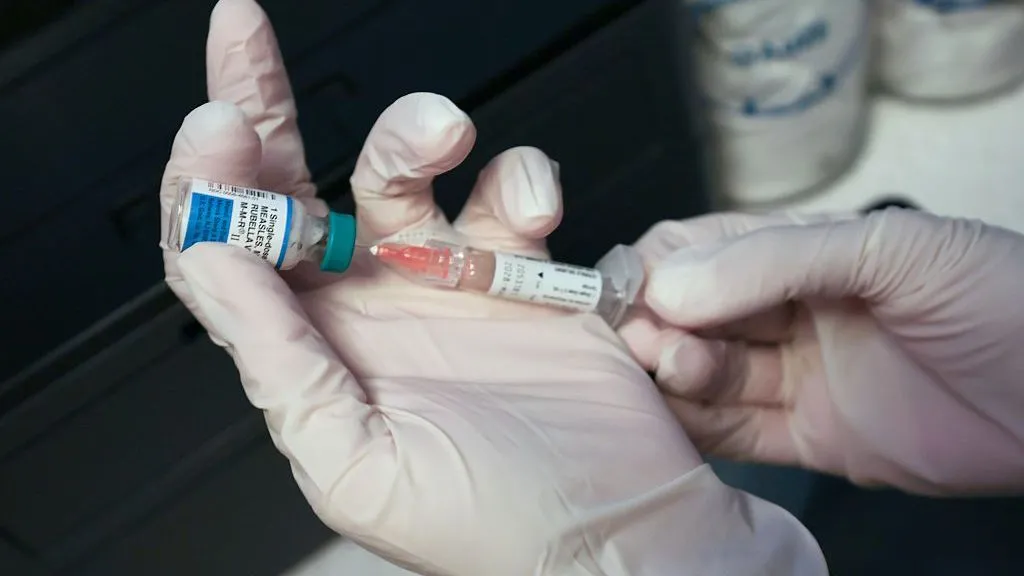


Measles is officially back in the United States. On Tuesday the Pan American Health Organization (PAHO), the World Health Organization’s regional branch for the Americas, ruled that the disease is once again spreading continuously in the country, 26 years after it was declared eliminated.
PAHO found that the same strain of measles had circulated without a break for more than 12 months. The US has recorded more than 5,400 cases this year, the most since 1991. The death toll is less clear. The Guardian counted eight deaths in 2026, while Uganda’s Nile Post said states had reported 10 measles-related deaths, the highest since the 1990s. In Pennsylvania alone, one outbreak has infected more than 1,400 people and killed seven, state officials said.
PAHO director Dr Jarbas Barbosa, who made the final decision, said Mexico and Bolivia had also lost their elimination status. He blamed persistent “gaps in vaccination” and called the figures “a serious warning for our region”. Canada lost its status last year but has made progress this year in stopping transmission, he added. PAHO immunisation chief Daniel Salas said the affected countries must now submit corrective plans showing how they will raise vaccination rates.




The change reaches into daily life. Measles cases used to arrive mostly with international travellers. Now Americans are being told to dig out old vaccination records and may have to quarantine for 21 days. Across the US, uptake of the measles, mumps and rubella (MMR) vaccine has fallen to 92.4%, below the 95% needed for herd immunity, the level that protects newborns and others who cannot be vaccinated.
Doctors say mixed messages from the top are making things worse. Health Secretary Robert F Kennedy Jr has repeatedly questioned the safety of the MMR vaccine. Last year he fired every member of a key vaccine advisory panel and replaced them with his own picks. This year President Donald Trump ordered the shot to be split into three separate jabs, claiming without evidence that “together, there could be a possibility they’re quite lethal”. Kennedy argues that the rise in cases began before he took over the health department and that neighbouring countries have seen more infections too. The department did not respond to requests for comment.
Not every expert blames the administration alone. Noel Brewer, a behavioural scientist at the University of North Carolina who chairs a committee reviewing the US status, said there is “a profound problem with measles in all three North American countries”, with outbreaks crossing borders in both directions. Columbia University’s Dr Nuwan Gunawardhana called the decision “a huge leap backwards”, while the Big Cities Health Coalition described it as a “profoundly sad moment for our country”.
The US is part of a wider trend. The UK, Spain, Austria, Russia, Azerbaijan and Uzbekistan have also lost measles-free status this year. Winning it back, Brewer said, will take a publicly announced national plan, strong backing for vaccination from the CDC and the president, and more money from Congress.